




 Click it and Unblock the Notifications


Latest Updates
-
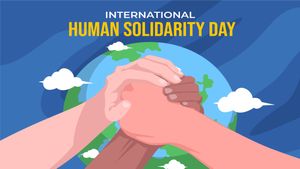 International Human Solidarity Day 2025: History, Significance, and Why It Matters
 -
 Purported Video of Muslim Mob Lynching & Hanging Hindu Youth In Bangladesh Shocks Internet
 -
 A Hotel on Wheels: Bihar Rolls Out Its First Luxury Caravan Buses
 -
 Bharti Singh-Haarsh Limbachiyaa Welcome Second Child, Gender: Couple Welcome Their Second Baby, Duo Overjoyed - Report | Bharti Singh Gives Birth To Second Baby Boy | Gender Of Bharti Singh Haarsh Limbachiyaa Second Baby
 -
 Bharti Singh Welcomes Second Son: Joyous News for the Comedian and Her Family
 -
 Gold & Silver Rates Today in India: 22K, 24K, 18K & MCX Prices Fall After Continuous Rally; Check Latest Gold Rates in Chennai, Mumbai, Bangalore, Hyderabad, Ahmedabad & Other Cities on 19 December
 -
 Nick Jonas Dancing to Dhurandhar’s “Shararat” Song Goes Viral
 -
 From Consciousness To Cosmos: Understanding Reality Through The Vedic Lens
 -
 The Sunscreen Confusion: Expert Explains How to Choose What Actually Works in Indian Weather
 -
 On Goa Liberation Day 2025, A Look At How Freedom Shaped Goa Into A Celebrity-Favourite Retreat


How Food Moves Through Intestines
Here is how your food moves through your intestines before it leaves your body...

We eat food not for the sake of pleasure but to derive nutrients and survive. Of course, most of us have turned this process into a pleasure.
The food that you eat undergoes several changes when it passes through the stomach and intestines. The nutrients in it are derived by the body in several ways.
Once all nutrients are absorbed, the waste material is eliminated. Read on to know more...

Fact #1
Generally, the food you eat now may take a day or two to leave your system in the form of waste material.

Fact #2
Several factors like the texture of food, its quantity, its state of matter (liquid or solid), how well you chew and the chemical composition of the food play a role in the times food takes to digest.

Fact #3
If you don't chew your food properly, it takes more time to digest it. Food generally reaches the small intestine from the stomach and from there, it travels to the colon.

Fact #4
A juice gets secreted from the liver and pancreas and mixes with the food when it reaches the small intestine. This is a process of breaking it down. The waste material is passed out to the colon.

Fact #5
When food reaches the colon, it tries to derive any remaining nutrients in it and then throws the waste material out of the body. It also absorbs the water content and helps the bowels pass easily.

Fact #6
Eating a fibre-rich diet helps the bowels pass effortlessly. Also, the movement of the wastes in the colon gets smoother.

Fact #7
Eating whole grains, legumes and vegetables is good for your digestive system. Reduce processed foods and eat natural foods to keep your digestive system happy.


 Continue with Google