




 Click it and Unblock the Notifications


Latest Updates
-
 Priyanka Gandhi Vadra Birthday Special: How Her Fashion Choices Speak Louder Than Speeches
 -
 Gone Too Soon: Prasant Tamang and the Rising Deaths of Young Celebrities from Heart Attacks
 -
 Daily Horoscope, Jan 12, 2026: Libra to Pisces; Astrological Prediction for all Zodiac Signs
 -
 iPolish Smart Nails Steal Spotlight At CES 2026, Change Colours Faster Than Outfits
 -
 Prashant Tamang Passes Away At 43: From Kolkata Police To National Stage, Remembering The Indian Idol 3 Winner
 -
 Nupur Sanon Marries Stebin Ben: A Spotlight On Their Stunning Christian Wedding Looks
 -
 Gold & Silver Rates Today in India Steady After Sharp Rally on January 11; Check Latest 22K, 24K & 18K Gold Prices Per Gm; Weekly Silver & Gold Prices Prediction
 -
 National Human Trafficking Awareness Day 2026: India’s Disturbing Reality Behind Missing And Exploited Lives
 -
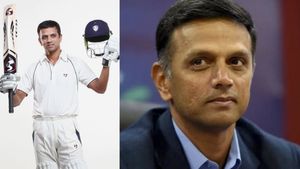 Happy Birthday Rahul Dravid: What The Records, Net Worth And Lifestyle Of ‘The Wall’ Reveal
 -
 School Holidays: Students in THESE States Stay Home Amid Cold Wave, Check State-Wise Closures, Reopening Dates


Why Do Indians Celebrate National Youth Day 2026 On Swami Vivekananda Jayanti? Here’s The Inside Story

Observed as National Youth Day (Rashtriya Yuva Diwas), January 12 marks Swami Vivekananda's birth anniversary reminding us that youth is not just about age, but about energy, purpose, and direction.

Declared by the Government of India in 1984 and first observed in 1985, National Youth Day was created with a clear purpose, to place Swami Vivekananda's ideas at the centre of how young Indians think about confidence, responsibility, and nation-building.
What Is National Youth Day And Why 12 January Is Significant
National Youth Day is observed every year on 12 January, the birth anniversary of Swami Vivekananda, born in 1863 in Kolkata. The government chose this date because his thoughts were seen as deeply relevant to young people especially at a time when India was focusing on shaping leadership, character, and social responsibility among its youth.
The day is also known as Vivekananda Jayanti, and its purpose goes beyond remembrance. It's about keeping his ideas alive in classrooms, communities, and conversations.
Why National Youth Day Is Celebrated
At its core, National Youth Day is about direction. It aims to:
- Motivate young people to believe in their abilities
- Encourage active participation in nation-building
- Promote values like discipline, service, resilience, and self-growth
- Strengthen unity and social responsibility
Government communications have repeatedly highlighted that Vivekananda's philosophy offers a strong framework for youth leadership, rooted in self-belief, clarity of purpose, and service to society.
Who Was Swami Vivekananda?
Born Narendranath Datta, Swami Vivekananda was a Hindu monk, philosopher, and spiritual leader who played a major role in introducing Indian spiritual thought to the world.
He became globally known after his historic address at the World Parliament of Religions in Chicago in 1893, which began with the words, "Sisters and Brothers of America." The speech instantly drew attention to India's philosophical depth and pluralistic thinking.
Beyond that moment, his legacy includes:
- Spreading Vedanta and Yoga in India and abroad
- Strong advocacy for youth empowerment and character building
- Emphasis on social service and education
- Founding the Ramakrishna Mission and Math, which continue work in education, healthcare, and relief
Swami Vivekananda passed away on 4 July 1902, but his ideas remain deeply woven into India's cultural and intellectual life.
How India Celebrates National Youth Day
Celebrations extend beyond a single day and often continue through National Youth Week, usually observed in mid-January.
Educational and youth programmes
Schools, colleges, and youth clubs organise:
- Seminars and panel discussions
- Debates and essay competitions
- Talks on leadership, service, and personal growth
- Health and well-being activities
Many states conduct:
- Yoga and meditation sessions
- Physical fitness events
Mass participation programmes such as Sūrya Namaskār in schools These reflect Vivekananda's emphasis on both physical and mental strength.
Cultural and community events
Across India, cultural programmes showcase music, dance, theatre, and art created by young people. Ramakrishna Mission centres, especially in Kolkata, often host week-long events combining spiritual talks, cultural programmes, and outreach activities.
Major National-Level Observances
National Youth Festival
Organised by the Ministry of Youth Affairs and Sports, the National Youth Festival brings together young people from across the country for cultural, creative, and leadership-focused events. It is hosted each year in collaboration with a selected state.
Viksit Bharat Young Leaders Dialogue
As part of recent celebrations, this platform brings together young leaders to present ideas aligned with Viksit Bharat @ 2047, focusing on innovation, development, and civic engagement.
National Youth Awards
These awards recognise young individuals and youth organisations for outstanding contributions to community service and national development.
Why National Youth Day Is Significant Today
National Youth Day 2026 holds both educational and cultural significance.
Inspiration and guidance
It encourages young people to build self-confidence, discipline, and a sense of purpose. Vivekananda's words - "Arise, awake, and stop not until the goal is reached" continue to resonate in classrooms, speeches, and youth forums.
Nation-building
The day highlights the role young people play in shaping India's future as thinkers, leaders, innovators, and citizens. The focus is on channelising energy into meaningful contribution.
The Broader Focus Of National Youth Day 2026
Across states and institutions, the themes remain consistent:
- Youth leadership and empowerment
- Physical, mental, and social well-being
- Volunteerism and community service
- National integration and harmony
- The aim is not ceremonial observance, but participation, getting young people involved, heard, and inspired.

National Youth Day is not about looking back at history; it's about applying its lessons. By linking the day to Swami Vivekananda, India chose a voice that speaks directly to ambition, courage, and responsibility. Each 12 January becomes an invitation for young Indians to reflect on where they're headed, and how they want to shape the country they live in. The message remains simple, clear, and relevant: strength begins within, and progress follows purpose.


 Continue with Google