




 Click it and Unblock the Notifications


Latest Updates
-
 Veer Bal Diwas 2025: PM Modi To Address Bharat Mandapam Event, President Will Confer Bal Puraskar Awards
 -
 Women and Lower Urinary Tract Health: Expert Explains The Silent Crisis No One Talks About After Childbirth
 -
 Sardar Udham Singh’s 126th Birth Anniversary: Interesting Facts About The Man Who Avenged Jallianwala Bagh
 -
 Can You Rewire Your Mood? Expert Explains The Rise of Neuroplastic Habits for Happiness
 -
 Daily Horoscope, Dec 26, 2025: Libra to Pisces; Astrological Prediction for all Zodiac Signs
 -
 Winter Care Guide: Expert Tips to Improve Your Child’s Immunity
 -
 The Celebrity Weddings That Took Us From “I’m Engaged” to “Just Married” In 2025
 -
 Rs 50,700 Jump in Gold Rate in India Over 4 Days in 24K/100gm; Silver Rate Today Continues Rally on Christmas, 25 December 2025: Check Latest Prices in Chennai, Mumbai, Bangalore, Hyderabad With Gold, Silver Rate Prediction
 -
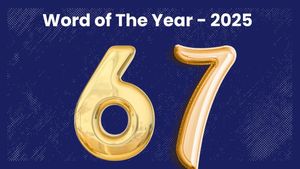 “67” Is Dictionary.com’s 2025 Word of the Year: The Viral Trend With No Meaning That Took Over the Internet
 -
 Bus Catches Fire After Collision With Lorry In Karnataka; At Least 10 Dead


Research in the September issue of Epidemiology

That cup of you're craving for might not be such a good idea after all.
Research in the September issue of Epidemiology suggests can trigger a heart attack within an hour or so in some people.
junkies can take some comfort from the finding that the risk was highest among light drinkers (those who consumed up to one cup a day).
For those people, the risk of heart attack increased fourfold when they indulged. Couch potatoes (those who don't exercise) and those with other risk factors for heart disease were also at greater risk of having a heart attack after drinking a cup of , the study showed.
As a result of these findings, ''people at high risk for a heart attack who are occasional or regular drinkers might consider quitting altogether,'' says researcher Ana Baylin, a research associate at Brown University School of Medicine in Providence, RI, in a news release.
Baylin, who works in the department of nutrition at Brown, adds that for these individuals, a cup of could be ''the straw that broke the camel's back.'' Baylin and colleagues suggest caffeine causes short-term increases in blood pressure and sympathetic nervous activity that could trigger a heart attack.
On the other hand, previous studies have shown drinkers may be at decreased risk for Parkinson's disease, diabetes, and certain types of cancers.
In the new study, moderate drinkers (those who consumed two or three cups a day) raised their risk of having a heart attack by 60 per cent by drinking a cup of .
But light drinkers increased their risk of heart attack by more than four times with one cup, according to the study. Little effect was seen among heavy drinkers (those who drank four or more cups per day).
What's more, drinkers who have three or more risk factors for heart disease more than doubled their risk of sustaining a heart attack after downing a cup.
The new study was based on 503 cases of non-fatal heart attacks in Costa Rica.
The researchers asked participants about their consumption in the hours and days before their heart attack.
The findings of the new study appeared in JAMA (The Journal of the American Medical Association).
Although the study was conducted in Costa Rica, the researchers say the results are relevant to the US because Americans and Costa Ricans have similar caffeine habits.
''For people with multiple risk factors for a heart attack and those who have a sedentary lifestyle, a cup of could be the final straw,'' says Ahmed El-Sohemy, PhD, an Assistant Professor of nutrition at the University of Toronto in Toronto, Canada.
''One should aim to remove some of these known risk factors and have a more active lifestyle,'' he says.
''For those people who are not regular consumers and have other risk factors, getting that jolt of caffeine is probably a jolt to their system,'' he explains in the study.
''We know that caffeine causes transient increases in blood pressure, so those who are not regular consumers are not used to it, and they get that surge and for a vulnerable heart, that could be the trigger,'' he says.
El-Sohemy recently reported that people who have a genetic variation associated with slower caffeine metabolism are at an increased risk of a nonfatal heart attack when they consume .
Recent
Articles
Pehle
Aamir,
ab
Shah
Rukh
Aly
Khan
,
Angelina
Jolie
in
a
Hollywood
movie


 Continue with Google