




 Click it and Unblock the Notifications


Latest Updates
-
 Gold Rate In India Crash By Rs 12,000 From Record: Will 24K, 22K, 18K Gold Prices Rise Or Fall In Christmas Week? Gold & Silver Prediction Here
 -
 20th or 21st December? When Is the Winter Solstice In 2025 And How Is It Different From Meteorological Winter
 -
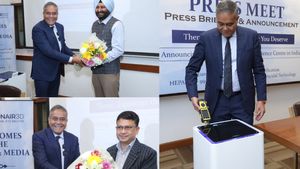 ‘Clean Air Is a Right, Not a Luxury’: ZONAIR3D Unveils India Expansion Plans
 -
 World Meditation Day 2025: Meditation Beyond The Mat, Simple Moments That Bring Inner Peace
 -
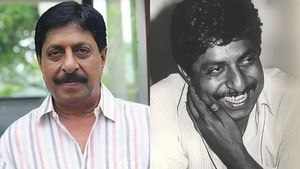 Sreenivasan Passes Away: Malayalam Cinema Mourns The Legendary Actor-Writer's Demise
 -
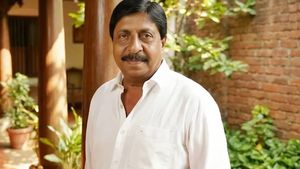 Malayalam Film Industry Loses A Defining Voice: Actor, Screenwriter And Director Sreenivasan Passes Away At 69
 -
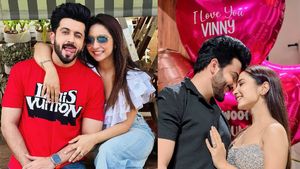 Happy Birthday Dheeraj Dhoopar: How A TV Set Friendship Turned Into Love With Wife Vinny Arora
 -
 Top Skin and Hair Concerns in India in 2025: What the Data Reveals
 -
 International Human Solidarity Day 2025: History, Significance, and Why It Matters
 -
 Purported Video of Muslim Mob Lynching & Hanging Hindu Youth In Bangladesh Shocks Internet


Ethnic Wear For Indian Men

India is the land of varieties. Varieties in culture, languages, dressing etc... it is rightly told that the unity of India lies in diversity. Being the land of diversities, Indian dressing styles also differ from regions to regions and occasions to occasions. Indian ethnic wears range from the traditional dresses to modern designer ethnic wears. Today even in the ramps the ethnic wears create waves. The designs have demand even in foreign countries and Indian ethnic wears could no way be neglected when considering the dressing style of modern world.
The best part about these ethnic ensembles is that apart from being fashionable, they are also very comfortable. They look royal and give a very dashing look. Crystal embellishments and exquisite embroideries are finding place on traditional Indian clothes for men. Today men are becoming very fashion conscious especially in urban areas. To adorn their personality there is a fabulous range of traditional clothing encompassing sherwani suit, jodhpuri, kurta pajama, etc... In rural and semi urban areas men are still sticking to Dhotis.
When considering the most popular Indian ethnic wear 'kurta and paijama' deserves the topmost place. Silk kurta gives dazzling effects. For the complete ethnic look, attire it with either churidar or simple loose fit pajama. Those who want to look stylish and at the same time wish to maintain that cool dude image too, then attairing kurta with funky jeans will do it. Beautifully designed embroided 'sherwanies' deserve the next place. Sherwanies give an aristocratic look. Phulkari embroidery of Punjab and Zardosi make fantastic designing, which is unique. Nehru collar shirts and band galas are hot and happening.
Even though Indian men prefer western outfits like shirt and pants for the day today use, ethnic wears are inevitable for every special occasions and functions. Here listed are few of the popular Indian ethnic wears.
The Sherwani: Sherwani is a coat like garment, worn by men, fitted close to the body, of knee-length or longer and opening in front with button-fastenings. Below that the men wear a garment for the lower part of the body, baggy and wide at the top tied with a string at the waist , and tight around the legs and ankles. It is a very elegant dress for the men and mostly worn during ceremonies. Sherwani is the formal attire, usually wore by North Indian Royalties. Began during the Mogul times, embroidery work traditionally done by craftsman from Banaras and Delhi. Now, the embroidery work is made through machine. This dress in popularly known as jodhpuri in Rajistan. Long back Indian men would wear a sherwani for all formal occasions including going for work or to their offices ,but as for today it is only made for special occasions like weddings or festivals.
The Kurta-Pyjama: The Kurta or the top is a knee length collar-less shirt which is adorned in mostly white or pastel colors. But today you will find Kurtas made out of the most wonderful and colorful of fabrics. Pyjama-are like loose trousers with a string tie at the waistand are traditionally white in color.
The Lungi: The traditional lungi originated in the south and today it is worn by men and women alike. It is simply a short length of material worn around the thighs rather like a sarong.
The Dhoti: The most ancient recorded Indian drape is a dhoti. Although Buddha is shown wearing a large mantle, his lay followers, such as Ashoka and the men and women represented on the stupa of Bharhut, wore elaborately pleated dhotis. Nowadays, dhotis are still worn by men all over India. They require a piece of cloth which seems longer and larger than what was worn in the past, but their pleating is often simpler, and they are not adorned with belts anymore. All dhotis begin with the same basic closing. It is the only drape that doesn't start from one pallav but from the centre of the upper border. The middle of the cloth is tied around the hips. Each end of the cloth is then draped around the leg on its side.
Disclaimer: The information provided in this article is for general informational and educational purposes only and is not intended as a substitute for professional medical advice, diagnosis, or treatment. Always seek the advice of your physician or a qualified healthcare provider with any questions you may have regarding a medical condition.


 Continue with Google