




 Click it and Unblock the Notifications


Latest Updates
-
 Gold Rate In India Crash By Rs 12,000 From Record: Will 24K, 22K, 18K Gold Prices Rise Or Fall In Christmas Week? Gold & Silver Prediction Here
 -
 20th or 21st December? When Is the Winter Solstice In 2025 And How Is It Different From Meteorological Winter
 -
 ‘Clean Air Is a Right, Not a Luxury’: ZONAIR3D Unveils India Expansion Plans
 -
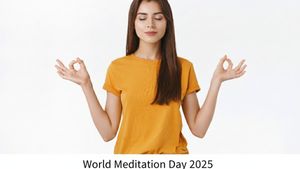 World Meditation Day 2025: Meditation Beyond The Mat, Simple Moments That Bring Inner Peace
 -
 Sreenivasan Passes Away: Malayalam Cinema Mourns The Legendary Actor-Writer's Demise
 -
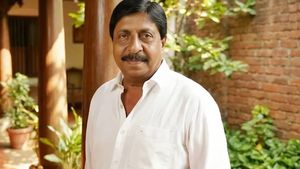 Malayalam Film Industry Loses A Defining Voice: Actor, Screenwriter And Director Sreenivasan Passes Away At 69
 -
 Happy Birthday Dheeraj Dhoopar: How A TV Set Friendship Turned Into Love With Wife Vinny Arora
 -
 Top Skin and Hair Concerns in India in 2025: What the Data Reveals
 -
 International Human Solidarity Day 2025: History, Significance, and Why It Matters
 -
 Purported Video of Muslim Mob Lynching & Hanging Hindu Youth In Bangladesh Shocks Internet


Introduction To Asanas

Sage Pathanjali in one of the yoga sutras described Asanas (Yoga Postures) as, " Sthiram Sukham Asanam," meaning that which is comfortable and easy, yet firm. Through the practice of asanas, we develop the habit of discipline and the ability to concentrate, both of which are necessary for meditation.
Asanas are vehicles for meditation. They help the body and the nervous system build stamina, stillness, strength, flexibility and balance to sit in meditative postures for long hours. Any movement in the body automatically moves the mind away from meditation. Asanas help to build stillness which will in turn keep the body firm without movement.
Yoga
postures
are
divided
into
three:
Cultural
Postures:
This
has
840,000
asanas
Relaxing
Postures:
Shavasana,
Makarasana,
Sithilasana
Meditative
Postures:
Siddhasana,
Padmasana,
Vajrasana,
Sukhasana
The vast diversity in the asanas is derived from nature. From Vrikshasana (Tree Posture) and Parvatasana (Mountain Posture) to Ushtrasana (Camel Posture), Makarasana (crocodile posture) and Matsyasana (Fish posture) all are elements of nature. Some asanas assume the name of sages, like in Anantasana (from sage Ananta) and Vashishtasana (from sage Vashishta). These were postures in which the respective sages meditated and thus the name. There are asanas assuming names of objects like in Dhanurasana (bow posture) and Halasana (plough posture). The body is made to take form of a bow and plough respectively. Asana thus aims to make the body one with nature. They are not only made for the body but also for the mind and spirit.
The Asanas work on the internal organs and the endocrine system (glands and hormones).
When to practise Asanas: The best time to practise Asanas is early in the morning, on an empty stomach. Alternatively they may be practiced three hours after a heavy meal or two hours after a light meal. Practise asanas in an open area or a well lit airy room.
Clothes to practise Asanas: Wear comfortable cotton clothes. Avoid synthetic. Men can wear light coloured cotton tee shirts and cotton shorts or track pants. Women can wear cotton salwar-kameez with the duppatta fastened around them. This will allow easy movement of the limbs and prevent the kameez from coming in the way. Alternatively you can wear light coloured cotton tee shirts and cotton track pants.
How to practice Asanas: If you are a beginner it is better you join a yoga school, with experienced yoga teachers. This will give a good foundation to your yoga learning. It will also help prevent hurting yourself when getting into an asana or getting out of an asana. Asanas are highly powerful and care must be taken when practicing. Yoga schools are ideal to learn. Every session must be followed by Shavasana (corpse posture). This is deep relaxation for the body and mind.
Flexibilty,
toned
body,
good
health
are
only
the
side
effects
of
yoga.
Yoga
is
more
for
the
soul
than
just
for
the
body
and
mind.


 Continue with Google