




 Click it and Unblock the Notifications


Latest Updates
-
 Annual Health Checks Are Changing: Expert Explains Why Blood Tests Alone Aren’t Enough Anymore
 -
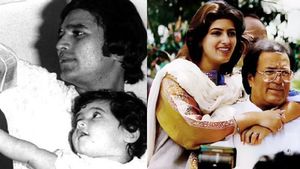 A Father-Daughter Birthday Bond: Rajesh Khanna's 83rd Birth Anniversary Is On Twinkle Khanna’s 51st Birthday
 -
 Daily Horoscope, Dec 29, 2025: Libra to Pisces; Astrological Prediction for all Zodiac Signs
 -
 Hrithik Roshan, Saba Azad, Sussanne Khan and the Kids Celebrate Christmas Together, Win Hearts Online
 -
 Why Everyone Online Is Obsessed With the Japanese Hair-Washing Method
 -
 Silver Rate in India Jumps Rs 37,000 in Week; Silver Price Today Hits Rs 2.51 Lakh/kg in Mumbai, Delhi & More; Check Rates in Chennai, Bangalore, Hyderabad, Pune & Other Cities
 -
 A New Year Resolution For Childhood Wellness: What 2025 Taught Parents and Doctors
 -
 “Always On”: Expert Explains The Mental Toll of Living in a Constantly Connected World
 -
 Rally in Gold Rate Today in India Continues! 24K Gold Prices Jump Rs 70,400 Per 100 gm in a Week: Check Latest 22K & 18K Prices; Bangalore, Mumbai, Hyderabad, Chennai Gold Rate Today With Other Cities
 -
 Holiday Feasts, Balanced Living: Everyday Wellness for the Party Season


Traditional Eating Practices: What To Eat And When To Eat

Eating may seem to be a random activity that we do along the daily routine. But across the globe there used to be and there still are customs and traditions with respect to eating food.
Table manners is a part of eating in the modern era. But ancient Indian had their way and manners which they followed while eating. They used to believe that when you consume food, it nourishes your body if you have eaten in a cheerful mood.

Food traditions cement the family bonds, and connect us to our past glory of traditions. Our heritage is passed on and we get to know so many secrets that give us a long and healthy life.
Traditional ethnic food is always nutritious. Thanks to modernization, our focus has shifted to fast food rather than eating healthy. We have become addicts to high-calorie, high-fat processed foods rich in complex sugars, and unhealthy additives.
Indian
foods
are
known
to
contain
sour,
sweet,
salty,
bitter,
astringent,
and
pungent
flavours.
Indian
food
is
categorized
based
on
Vata,
Kapha,
and
Pitta.
These
doshas
are
generated
by
earth,
fire,
water,
air,
and
ether.
How
do
we
eat
as
per
the
traditional
mores
and
customs?
Are there rules associated with how we eat, what we eat, when we eat, where to eat? Here is a list and description that gives you some knowledge on this.
Eating together: Eat together with all the family members at least three times a day. As per Vastu, this practice cements the family bond. Childen grow up normally due to observing this practice.
Which Food To Avoid In Which Month: Chaitra month- Jaggery is forbidden from eating; Vaisakha: Applying oil and eating oily fried foods. Jyeshta: daily walks and playing in the month of Jyeshtha.
Ashadha: Consuming Dal. Shravana: Consuming Sagu. Bhadrapada: Consuming curds. Ashwija: Bitter gourd. Kartika: Brinjal, Curd and Cumin seeds. Margashirsha: Cumin seeds. Pushya: Coriander leaves. Magha: Radish and Coriander leaves. Phalguna: Grains.
Which Food To Eat In Which Month: Chaitra: Dal, Vaishakha: Bela fruit, Jyeshta: Fruit, Ashadha: Exercise is advised. Shravana: Consum Haridra. Bhadrapada: Curd sesame seeds. Ashwija: Jaggery. Kartika: Radish Margashirsha: Oily and fried foods. Pushya: Milk. Magha: Ghee Khichdi Phalguna: Dal.
Foods Forbidden For These Tithis: Prathama: Pumpkin dviteeya: Small Brinjal and Jackfruit, Tritiya: Tondakai, Chaturthi: Radish, Panchami: Green leaf, Shashti: Neem leaves, Saptami: Palm fruit,
Ashtami: Palm fruit, Coconut. Navami: Gourd, Dashami: Kalambi, Ekadashi: Beans, Dwadashi: Basale, Amavasya, Purnima, Sankranti: Brinjal. Chaturdashi and Ashtami, Sesame oil, and ginger on Sundays.
Before And After Meals: Before lunch or consuming food, you can take spicy food and after you eat, you can take sweets. Rules for serving food: Before eating, sprinkle water on the plate, so that it gets cleaned. Rice varieties should be served in the middle of the plate.
Butter milk, kheer, dals and salad should be on the left side of the plate. On the top middle portion of the plate, serve salt. Water to drink should be on the right side. Sit on the floor and eat out of a brass or silver plate. It is best to sit on the floor while eating.


 Continue with Google