




 Click it and Unblock the Notifications


Latest Updates
-
 The World’s First Harry Potter-Themed Hotel Is All Set to Open In Europe
 -
 Dhurandhar 16 Days Collection | Dhurandhar Beats Jawan, Stree 2 | Dhurandhar 500cr | Dhurandhar Day 16 Collection | Dhurandhar Box Office Collection Day 17 Prediction (December 21, 2025) | Dhurandhar Third Weekend Collection Prediction | Dhurandhar Today Collection
 -
 How to Dress Well This Holiday Season Without Overthinking It
 -
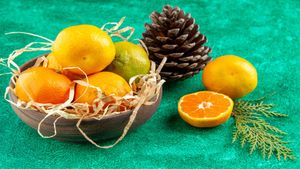 From Guava To Kiwi: Fruits to Have in Winters to Boost Your Immunity
 -
 David Guetta Returns to Mumbai After 8 Years, Lights Up Sunburn Festival 2025
 -
 How Homeopathic Remedies May Support Gut and Brain Health, Expert Explains
 -
 Why Viral Fevers Are Lasting Longer This Year: Expert Explains The Immunity Shift Post-COVID
 -
 Rekha’s Timeless Wedding Season Style: 5 Things to Pick From Her Latest Look
 -
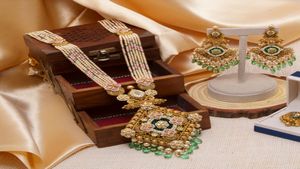 Gold Rate Today in India Flat, Silver Prices Jump to New High of Rs 2.14 Lakh: Check Latest Prices in Chennai, Bangalore, Hyderabad, Mumbai, Pune, Ahmedabad & Delhi
 -
 Happy Birthday Tamannaah Bhatia: What The 'Baahubali' Star's ‘Milky Beauty’ Skincare Looks Like Off Screen


Shri Sai Satcharitra - Chapter 14 - Part I

Ruttonji Wadia of Nanded - Saint Moulisaheb - Dakshina Mimansa.
In the last Chapter, we described how Baba's word and grace cured many incurable diseases. Now, we shall describe, how Baba blessed Mr. Ruttonji Wadia with an issue.
The life of this Saint is naturally sweet in and out. His various doings, eating, walking and His natural sayings are also sweet. His life is Bliss incarnate. Sai gave it out as a means of His devotee's remembrance of Him. He gave them various stories of duty and action, which ultimately led them to true religion.
Baba's object may be that people should live happily in this world, but they should be ever cautious and gain the object of their life, viz. self-realization. We get human body as a result of merits in past births and it is worth-while that with its aid, we should attain devotion and liberation in this life. So we should never be lazy, but always be on the alert to gain our end and aim of life.
If you daily hear the Leelas (stories) of Sai, you will always see Him. Day and night you will remember Him in your mind, When you assimilate Sai in this way, your mind will lose its fickleness and if you go on in this manner, it will finally be merged in pure Consciousness.
Sai Ram. Shri Hemadpant gives us the secret of Sai Sadhana, i.e. reading about Him, remembering Him and finally merging with Him just as drops of water merge with the river and the sea from which they originated. These stories have been blessed by Sai since He gave His express permission to Shri Hemadpant (Annasaheb Dabholkar) to record these leelas of Him for the benefit of sadhakas like us. Sai Ram.
Ruttonji
of
Nanded
:
Now
let
us
come
to
the
main
story
of
this
Chapter.
In
Nanded,
in
the
Nizam
state,
there
lived
a
Parsi
mill-contractor
and
trader,
by
name
Ruttonji
Shapurji
Wadia.
He
had
amassed
a
large
amount
of
money
and
had
acquired
fields
and
lands.
He
had
got
cattle,
horses
and
conveyances
and
was
very
prosperous.
To
all
outward
appearances
he
looked
very
happy
and
contented,
but
inwardly,
and
really
he
was
not
so.
Providential dispensation is such, that no one in this world is completely happy and rich; Ruttonji was no exception to this. He was liberal and charitable, gave food and clothing to the poor and helped all in various ways. The people took him to be a good and happy man, but Ruttonji thought himself miserable as he had no issue, male or female, for a long time.
As Kirtan (singing glories of the Lord) without love or devotion, music or singing without rhythmical accompaniments, Brahmin without the sacred thread, proficiency in all arts without commonsense, pilgrimage without repentance and ornamentation without a necklace, are ugly and useless, so is the house of a man or house-holder without a male issue.
Sai Ram. Readers should understand that this was written in 1910 - 1918 or so when Brahmins indeed respected and lived as per their caste's dharma, and male children were considered indispensable for the continuation of one's family through the next generation. The author, Shri Hemadpant was also fairly orthodox and read and or believed in Vedas, Upanishads and other Shastras. "Aputrasya gatirnasti" is the saying of shastras meaning that without a son (to perform the proper rites and rituals after one's death), the path for further liberation and spiritual progress was not open and thus people went to a lot of trouble to beget a son (even today there are many who will spend a fortune for getting a male child). Sai Ram.


 Continue with Google