




 Click it and Unblock the Notifications


Latest Updates
-
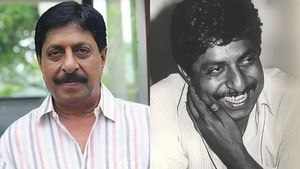 Sreenivasan Passes Away: Malayalam Cinema Mourns The Legendary Actor-Writer's Demise
 -
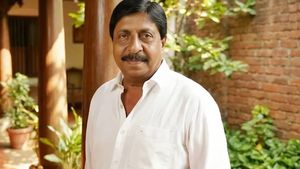 Malayalam Film Industry Loses A Defining Voice: Actor, Screenwriter And Director Sreenivasan Passes Away At 69
 -
 Happy Birthday Dheeraj Dhoopar: How A TV Set Friendship Turned Into Love With Wife Vinny Arora
 -
 Top Skin and Hair Concerns in India in 2025: What the Data Reveals
 -
 International Human Solidarity Day 2025: History, Significance, and Why It Matters
 -
 Purported Video of Muslim Mob Lynching & Hanging Hindu Youth In Bangladesh Shocks Internet
 -
 A Hotel on Wheels: Bihar Rolls Out Its First Luxury Caravan Buses
 -
 Bharti Singh-Haarsh Limbachiyaa Welcome Second Child, Gender: Couple Welcome Their Second Baby, Duo Overjoyed - Report | Bharti Singh Gives Birth To Second Baby Boy | Gender Of Bharti Singh Haarsh Limbachiyaa Second Baby
 -
 Bharti Singh Welcomes Second Son: Joyous News for the Comedian and Her Family
 -
 Gold & Silver Rates Today in India: 22K, 24K, 18K & MCX Prices Fall After Continuous Rally; Check Latest Gold Rates in Chennai, Mumbai, Bangalore, Hyderabad, Ahmedabad & Other Cities on 19 December


Lok Sabha Elections 2024: Hindu Religious Rituals To Follow On The Day Of Election Results For Victory

As the Lok Sabha Elections 2024 results day draws near, which is on 4 June, the anticipation and excitement in the political arena reach a fever pitch. Amid the chaos and uncertainty, many individuals and communities turn to their faith and religious traditions for guidance, support, and divine intervention.
In Hinduism, a religion steeped in ancient rituals and spiritual practices, there are numerous ways to seek blessings and invoke the favor of the divine on the day of election results. Here are some Hindu religious rituals that one can follow to enhance their chances of victory.

1. Ganesh Puja
Lord Ganesha, the beloved elephant-headed deity, is revered as the remover of obstacles and the harbinger of success and prosperity. On the day of election results, individuals may perform special puja (worship) dedicated to Lord Ganesha to seek his blessings for victory. The puja typically involves offering prayers, hymns, incense, flowers, and sweets to the deity, along with the recitation of mantras and sacred texts. By invoking the divine presence of Lord Ganesha, devotees believe they can overcome any obstacles and achieve success in their endeavors.
2. Navagraha Puja
In Hindu cosmology, the Navagrahas or nine planetary deities play a crucial role in shaping human destiny and influencing the course of events. On the day of election results, individuals may perform Navagraha puja to appease these celestial beings and seek their blessings for victory. The puja involves invoking the nine planetary deities and offering prayers, mantras, and offerings to each one individually. By propitiating the Navagrahas, believers hope to mitigate the adverse effects of planetary influences and ensure a favorable outcome in the electoral arena.
3. Vishnu Sahasranama Archana
The Vishnu Sahasranama, or the thousand names of Lord Vishnu, is a sacred hymn dedicated to the supreme deity of preservation and protection. On the day of election results, individuals may recite the Vishnu Sahasranama and offer archana (worship) to Lord Vishnu to seek his divine grace and blessings for victory. The recitation of each name of Lord Vishnu is believed to bestow various blessings and boons upon the devotee, including success, prosperity, and victory over adversaries. By chanting the Vishnu Sahasranama with devotion and sincerity, believers hope to invoke the protective and benevolent powers of the deity and secure victory in the electoral arena.
4. Abhishekam and Alankaram
Abhishekam, or ritual bathing, and alankaram, or ceremonial decoration, are ancient Hindu rituals performed to honor and worship deities in temples and sacred spaces. On the day of election results, individuals may visit temples dedicated to their chosen deities and participate in abhishekam and alankaram ceremonies to seek divine blessings for victory. The deity's idol is bathed with sacred substances such as milk, honey, yogurt, ghee, and water, while priests chant prayers and mantras to invoke the deity's grace and favor. The idol is then adorned with colorful flowers, garlands, and jewels, symbolizing the deity's magnificence and glory. By participating in these sacred rituals with devotion and reverence, devotees believe they can attract the divine presence and blessings of the deity and ensure success in their endeavors.
5. Homa and Yagna
Homa, or fire sacrifice, and yagna, or ritual offering, are ancient Vedic rituals performed to invoke the blessings of the gods and goddesses and seek their favor for various purposes, including victory in battles and competitions. On the day of election results, individuals may organize homa and yagna ceremonies in their homes, temples, or community spaces to pray for victory. The rituals typically involve the kindling of sacred fires, the chanting of Vedic mantras, and the offering of ghee, grains, herbs, and other sacrificial materials into the fire. By performing homa and yagna with faith and devotion, devotees believe they can appease the gods and goddesses and receive their blessings for success and victory in the electoral arena.
6. Sankirtan and Bhajan
Sankirtan, or congregational chanting, and bhajan, or devotional singing, are integral aspects of Hindu religious practice, aimed at invoking the divine presence and experiencing spiritual ecstasy. On the day of election results, individuals may gather in temples, community centers, or homes to participate in sankirtan and bhajan sessions dedicated to their chosen deities. Devotional songs and hymns praising the greatness and glory of the divine are sung with fervor and devotion, creating an atmosphere of joy, harmony, and spiritual upliftment. By immersing themselves in the divine vibrations of sankirtan and bhajan, devotees hope to attract the blessings and favor of the gods and goddesses and ensure victory in their endeavors.
Therefore, Hindu religious rituals offer a powerful means of seeking divine intervention and blessings for victory on the day of election results. Whether it's through puja, archana, homa, or sankirtan, these sacred practices enable individuals and communities to connect with the divine and invoke its grace and favor in the electoral arena. As devotees gather in temples, homes, and community spaces to perform these rituals with faith and devotion, they embody the ancient wisdom and spiritual heritage of Hinduism, trusting in the power of the divine to shape the course of history and fulfill their aspirations for success and victory.


 Continue with Google