




 Click it and Unblock the Notifications


Latest Updates
-
 Taurus 2026 Predictions: What The New Year Means For Your Career, Love, Fortune And Spiritual Growth
 -
 A Plate Full Of Expectations: What People Around The World Eat At Midnight On New Year’s Eve
 -
 Heading Out Or Staying In? What’s Open And Closed Across India On New Year’s Eve 2025
 -
 Gold Rates In India Stuns With Spellbinding Record Rally; Silver Rate Crosses Rs 2.5 Lakh; 24K, 22K, 18K Gold Prices Outlook Next Week
 -
 AP Dhillon Hug And Kiss Moment With Tara Sutaria Onstage Sparks Online Debate Over Veer Pahariya’s Reaction
 -
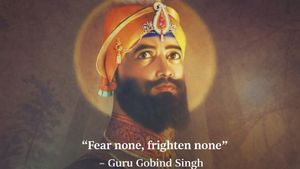 Guru Gobind Singh Jayanti 2025: 10 Inspiring Quotes That Show How The Leader Defined Strength And Faith
 -
 Happy Birthday Salman Khan: How The ‘Dabangg’ Star Defies Age to Stay Fit And Strong At 60
 -
 Daily Horoscope, Dec 27, 2025: Libra to Pisces; Astrological Prediction for all Zodiac Signs
 -
 When Cooking Took A Backseat: Not Burgers Or Pizza, This Dish Ruled Swiggy Orders In 2025
 -
 Family Goals On The Dance Floor: Hrithik Roshan Dances With Sons Hrehaan And Hridhaan At Family Wedding


How Did Ancient India Worship? History Of Worship In India, How Did It Change Over Time?

The history of worship in India dates back to prehistoric times, with evidence of early human communities engaging in various forms of religious practices. Cave paintings and rock art found across the country depict rituals and offerings made to deities, animals, and natural elements.
Indus Valley Civilization: The Dawn of Organized Worship
Around 2500 BCE, the Indus Valley Civilization emerged as one of the world's earliest urban societies. Archaeological findings from sites like Mohenjo-Daro and Harappa reveal a sophisticated system of public baths, temples, and altars dedicated to various gods. This period witnessed a structured form of worship.

Vedic Period: Rituals and Sacrifices
Between 1500 BCE and 500 BCE, the Vedic period saw the emergence of Hinduism's roots through sacred texts known as Vedas. During this time, rituals such as yajnas (fire sacrifices) were performed by priests to appease gods like Agni (fire god) and Indra (god associated with thunder).
Buddhism: A Shift towards Non-Theistic Worship
In the sixth century BCE, Gautama Buddha propagated his teachings, leading to the birth of Buddhism. Unlike traditional worship practices, Buddhism emphasized non-theistic principles and focused on meditation, self-discipline, and the pursuit of enlightenment.
Jainism: Asceticism and Ahimsa
Around the same time as Buddhism, Jainism emerged as another influential religion in India. Jains practised rigorous asceticism and embraced ahimsa (non-violence) towards all living beings. Their worship involved prayers, fasting, and temple visits.
Classical Period: Temples and Bhakti Movement
From the fourth to twelfth centuries CE, Hindu temples flourished across different regions of India. Elaborate stone-carved structures like Khajuraho temples showcased intricate sculptures depicting gods and goddesses. The Bhakti movement also gained momentum during this period with devotees expressing their love for deities through devotional songs.
Islamic Influence: Mosques and Sufism
With the arrival of Islam in the early medieval period (8th-12th century CE), mosques started appearing across India. Islamic rulers constructed magnificent structures like Delhi's Jama Masjid. Alongside orthodox practices, Sufi saints promoted mystical aspects of Islam through music, dance, poetry, and devotion to God.
Colonial Era: Christian Churches and Synagogues
During British colonial rule, Christianity gained prominence in India. Churches with architectural influences from Gothic to Romanesque styles were constructed, such as the iconic St. Thomas Cathedral in Mumbai. Additionally, synagogues served as places of worship for the Jewish community.
Modern Worship Practices
In modern times, India continues to be a land of diverse worship practices. Hindu temples remain central to religious life, while mosques, churches, gurudwaras (Sikh temples), and other places of worship coexist harmoniously throughout the country. Festivals like Diwali, Eid, and Christmas are celebrated with great enthusiasm by people from different faiths.


 Continue with Google