




 Click it and Unblock the Notifications


Latest Updates
-
 SIR Draft Electoral Rolls Out In West Bengal, Gujarat, Tamil Nadu: How Voters Can Check SIR Form Submission Status Online?
 -
 Gold Rate In India Crash By Rs 12,000 From Record: Will 24K, 22K, 18K Gold Prices Rise Or Fall In Christmas Week? Gold & Silver Prediction Here
 -
 20th or 21st December? When Is the Winter Solstice In 2025 And How Is It Different From Meteorological Winter
 -
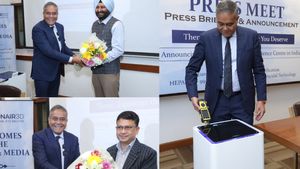 ‘Clean Air Is a Right, Not a Luxury’: ZONAIR3D Unveils India Expansion Plans
 -
 World Meditation Day 2025: Meditation Beyond The Mat, Simple Moments That Bring Inner Peace
 -
 Sreenivasan Passes Away: Malayalam Cinema Mourns The Legendary Actor-Writer's Demise
 -
 Malayalam Film Industry Loses A Defining Voice: Actor, Screenwriter And Director Sreenivasan Passes Away At 69
 -
 Happy Birthday Dheeraj Dhoopar: How A TV Set Friendship Turned Into Love With Wife Vinny Arora
 -
 Top Skin and Hair Concerns in India in 2025: What the Data Reveals
 -
 International Human Solidarity Day 2025: History, Significance, and Why It Matters


Food To Avoid During Pregnancy


Food to avoid in pregnancy -
1.Fish – Fish which are rich in mercury, like shark, mackerel and tilefish should be avoided. High consumption of mercury may lead to development delays in the baby and also may result in brain damage.
2.Alcohol – Alcohol should be strictly avoided in pregnancy. No matter what is the percent of alcohol present in the beverage it can lead to low weight, weak eye sight, deformities etc in the baby.
3.Caffeine – Caffeine helps in eliminating fluid from the body, which may lead to loss of water and calcium. Thus, over consumption of caffeine may lead to miscarriage, premature birth, low weight etc. Thus, it is best to avoid caffeine during pregnancy.
4.Vitamin A – Vitamin A rich food should be avoided during pregnancy. Research has proven that in most cases consumption of Vitamin A during pregnancy has led to birth defects like deformity, slow mental growth, abnormality etc. One of the Vitamin rich food to be avoided during pregnancy is liver.
5. Raw Meat - Make sure you eat meat which has been cooked at a temperature of 160 degree Fahrenheit. Meat cooked below this temperature are exposed to bacteria like Coliform, Toxoplasmosis and Salmonella. These are dangerous bacteria which can lead to infections and also cause miscarriage.
These are the top five food to be avoided during pregnancy. Other aspects to be kept in mind for a healthy pregnancy is regular exercise, de-stressing and visit to the doctor.
Disclaimer: The information provided in this article is for general informational and educational purposes only and is not intended as a substitute for professional medical advice, diagnosis, or treatment. Always seek the advice of your physician or a qualified healthcare provider with any questions you may have regarding a medical condition.


 Continue with Google