




 Click it and Unblock the Notifications


Latest Updates
-
 The World’s First Harry Potter-Themed Hotel Is All Set to Open In Europe
 -
 Dhurandhar 16 Days Collection | Dhurandhar Beats Jawan, Stree 2 | Dhurandhar 500cr | Dhurandhar Day 16 Collection | Dhurandhar Box Office Collection Day 17 Prediction (December 21, 2025) | Dhurandhar Third Weekend Collection Prediction | Dhurandhar Today Collection
 -
 How to Dress Well This Holiday Season Without Overthinking It
 -
 From Guava To Kiwi: Fruits to Have in Winters to Boost Your Immunity
 -
 David Guetta Returns to Mumbai After 8 Years, Lights Up Sunburn Festival 2025
 -
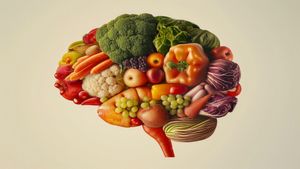 How Homeopathic Remedies May Support Gut and Brain Health, Expert Explains
 -
 Why Viral Fevers Are Lasting Longer This Year: Expert Explains The Immunity Shift Post-COVID
 -
 Rekha’s Timeless Wedding Season Style: 5 Things to Pick From Her Latest Look
 -
 Gold Rate Today in India Flat, Silver Prices Jump to New High of Rs 2.14 Lakh: Check Latest Prices in Chennai, Bangalore, Hyderabad, Mumbai, Pune, Ahmedabad & Delhi
 -
 Happy Birthday Tamannaah Bhatia: What The 'Baahubali' Star's ‘Milky Beauty’ Skincare Looks Like Off Screen


Infections During Infancy Cause Childhood Obesity
Infections during infancy, rather than antibiotic use, as previously suspected, are associated with an increased risk of childhood obesity, a study has found.

Infections during infancy, rather than antibiotic use, as previously suspected, are associated with an increased risk of childhood obesity, a study has found.
According to the study published in The Lancet Diabetes & Endocrinology, children diagnosed with an infection during their first year of life who had no antibiotic use were about 25 per cent more likely to become obese compared to those without infections.

There was a dose-response relationship, meaning that higher numbers of untreated infections were associated with a larger increased risk of obesity.
In contrast, there was no increased risk of obesity associated with antibiotic use during the first year when compared to infants with untreated infections.

"In previous studies, antibiotics used to treat infant infections have been associated with weight gain. However, we separated the two factors and found that antibiotics do not, themselves, appear to be associated with childhood obesity," said lead researcher De-Kun Li, epidemiologist at the Kaiser Permanente in California, US.
The type of antibiotics used (broad or narrow spectrum) did not influence the outcomes.
The study, in which researchers reviewed 260,556 births between 1997-2013, has shown that energy imbalance (calories consumed versus energy expenditures) cannot account for the entire increase in obesity in childhood.

Both infections and antibiotic use have been shown to influence the composition of intestinal micro-organisms -- the intestinal microbiome can affect metabolic processes and the immune system which can, in turn, affect metabolic processes, growth patterns and weight development.

"Our study is one of the largest analyses of the interplay among infections, antibiotic use and childhood obesity, and adds important evidence on how the microbiome, or gut bacteria, may be affecting children's development," Li added.
The researchers recommended focusing efforts on reducing infections in infancy while being careful in prescribing antibiotics.
Inputs By IANS


 Continue with Google