




 Click it and Unblock the Notifications


Latest Updates
-
 Bharti Singh-Haarsh Limbachiyaa Welcome Second Child, Gender: Couple Welcome Their Second Baby, Duo Overjoyed - Report | Bharti Singh Gives Birth To Second Baby Boy | Gender Of Bharti Singh Haarsh Limbachiyaa Second Baby
 -
 Bharti Singh Welcomes Second Son: Joyous News for the Comedian and Her Family
 -
 Gold & Silver Rates Today in India: 22K, 24K, 18K & MCX Prices Fall After Continuous Rally; Check Latest Gold Rates in Chennai, Mumbai, Bangalore, Hyderabad, Ahmedabad & Other Cities on 19 December
 -
 Nick Jonas Dancing to Dhurandhar’s “Shararat” Song Goes Viral
 -
 From Consciousness To Cosmos: Understanding Reality Through The Vedic Lens
 -
 The Sunscreen Confusion: Expert Explains How to Choose What Actually Works in Indian Weather
 -
 On Goa Liberation Day 2025, A Look At How Freedom Shaped Goa Into A Celebrity-Favourite Retreat
 -
 Daily Horoscope, Dec 19, 2025: Libra to Pisces; Astrological Prediction for all Zodiac Signs
 -
 Paush Amavasya 2025: Do These Most Powerful Rituals For Closure On The Final Amavasya Of The Year
 -
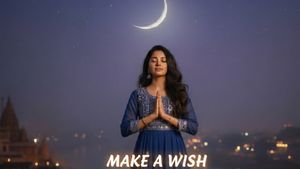 As The Last New Moon Of 2025 Approaches, Make A Wish Based On Your Rising Sign


#BoycottNike Is Trending: Why Nike’s Latest Campaign With NorBlack NorWhite Is Under Fire

When Nike unveiled its first collaboration with a homegrown Indian brand, the spotlight should've been on the bold colours, the tie-dye craftsmanship, and the celebration of local tradition. Instead, a storm of criticism is dominating the conversation and it's got little to do with fashion.
The problem? One social media post. One influencer. And one very sensitive political line.
A Much-Hyped Launch With An Unexpected Twist
Nike's tie-up with NorBlack NorWhite, a Delhi-based design label known for pushing boundaries with Indian textile art, was pitched as a moment of cultural pride. The collection, crafted with designers Mriga Kapadiya and Amrit Kumar, reimagines "bandhani"-a traditional tie-dye style with a modern sporty edge. Nike called it a step towards "inviting women into sport" while honouring Indian heritage.
Given Nike's 12-billion-rupee revenue in India in 2023, the brand clearly saw the timing and relevance of going local. But things derailed quickly once the internet took a closer look at the campaign's faces.
The Post That Transformed The Mood
A promotional image for the collection featured Naley, a US-based Bangladeshi influencer. On the surface, the image showed off the clothing. But online sleuths were quick to uncover Naley's past statements especially her comments challenging India's stance on Jammu & Kashmir.

That's all it took. Instagram and X were suddenly filled with screenshots, commentary, and questions. Why feature someone who has previously shared views seen as anti-India? Especially in a campaign celebrating Indian culture?
What was meant to be a proud launch turned into a PR mess.
Calls To Boycott And Brand Accountability
The reaction was swift and sharp. Many called for a boycott of Nike products, tagging the brand in protest posts and demanding action. Some questioned whether Nike had done any due diligence at all.
"If they're standing by someone who disrespects India's integrity, I'm not standing by them," one user posted.
Another wrote, "You can't celebrate Indian tradition and platform someone who undermines the very idea of Indian unity."
The frustration wasn't limited to political circles, it resonated with everyday customers who saw the move as careless, if not disrespectful.
A Larger Issue: Cultural Campaigns In A Global Age
Global brands are often quick to embrace local culture, but that embrace comes with responsibility. Consumers today aren't passive; they're alert, opinionated, and connected. They don't just see a product; they look at who's selling it, what they stand for, and what their history says.
In this case, featuring an influencer with a controversial political stance in a campaign tied to India's heritage made people feel unseen or worse, insulted.
So, What Happens Now?
Nike hasn't yet made a public statement. Whether they address the issue or stay silent, the response or lack of one will be watched closely. The backlash has already taken on a life of its own, and is a reminder of how quickly online communities can mobilise.
The campaign was meant to spotlight Indian design and women in sport but the public reaction has revealed how tricky it can be for global companies to deal with culture, politics, and people's sentiments all at once.
Nike set out to celebrate Indian culture with a bold, colourful collection but things took a different turn. For many people, the issue wasn't with the clothes, but with who was chosen to represent them. This clearly shows that when culture and national identity are involved, people tend to pay closer attention.


 Continue with Google