




 Click it and Unblock the Notifications


Latest Updates
-
 Sreenivasan Passes Away: Malayalam Cinema Mourns The Legendary Actor-Writer's Demise
 -
 Malayalam Film Industry Loses A Defining Voice: Actor, Screenwriter And Director Sreenivasan Passes Away At 69
 -
 Happy Birthday Dheeraj Dhoopar: How A TV Set Friendship Turned Into Love With Wife Vinny Arora
 -
 Top Skin and Hair Concerns in India in 2025: What the Data Reveals
 -
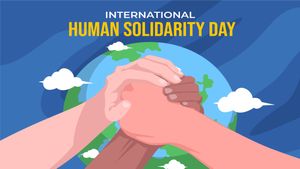 International Human Solidarity Day 2025: History, Significance, and Why It Matters
 -
 Purported Video of Muslim Mob Lynching & Hanging Hindu Youth In Bangladesh Shocks Internet
 -
 A Hotel on Wheels: Bihar Rolls Out Its First Luxury Caravan Buses
 -
 Bharti Singh-Haarsh Limbachiyaa Welcome Second Child, Gender: Couple Welcome Their Second Baby, Duo Overjoyed - Report | Bharti Singh Gives Birth To Second Baby Boy | Gender Of Bharti Singh Haarsh Limbachiyaa Second Baby
 -
 Bharti Singh Welcomes Second Son: Joyous News for the Comedian and Her Family
 -
 Gold & Silver Rates Today in India: 22K, 24K, 18K & MCX Prices Fall After Continuous Rally; Check Latest Gold Rates in Chennai, Mumbai, Bangalore, Hyderabad, Ahmedabad & Other Cities on 19 December


Things That Could Happen To Your Body If You Eat Too Much Meat

Meat is a great source of protein and healthy fats. Both of these nutrients are required for the proper functioning of the body, which is why meat should be a part of your diet. However, the downside is consuming meat in excessive quantities has an adverse effect on the body, which we are going to discuss in this article.
Meat is a high-protein food and having it in excess might not necessarily work for all body types and may affect metabolism. While one might not have any problems after eating a heavy meat diet, another might experience pain and discomfort after meat consumption.

Listed here are some signs that your body can't process meat when eaten excessively.
1. Bloating
After eating meat if you feel bloated, it could be a sign of malabsorption and an indication that the food hasn't been digested properly. If you experience abdominal discomfort after consuming meat eliminate it from your diet. Bloating often causes pain, discomfort and a stuffed feeling in the stomach [1] .
2. Constipation
Meat, especially red meat, contains less fibre, which potentially increases the risk of constipation. Also, red meat is high in fat and high-fat foods take longer to digest, leading to indigestion and constipation [2] .
3. Bad breath
Eating high-protein foods such as meat in excessive quantities may cause bad breath. This occurs when your body goes into a metabolic state called ketosis, which releases chemicals that give off an unpleasant fruity smell.
4. Fatigue
Foods that are high in protein contain an amino acid called tryptophan, which is used by the body to produce serotonin that causes fatigue and drowsiness [3] .
5. Nausea
According to a study, men who eat a lot of red meat have an increased risk of a painful inflammatory condition of the colon called diverticulitis, which causes severe stomach pain and nausea. Men who ate the most red meat per week were 58% more likely to develop diverticulitis compared to men who ate less red meat [4] .
Disclaimer: The information provided in this article is for general informational and educational purposes only and is not intended as a substitute for professional medical advice, diagnosis, or treatment. Always seek the advice of your physician or a qualified healthcare provider with any questions you may have regarding a medical condition.
- [1] Lea, R., & Whorwell, P. J. (2005). Expert commentary--bloating, distension, and the irritable bowel syndrome.MedGenMed : Medscape general medicine,7(1), 18.
- [2] Taba Taba Vakili, S., Nezami, B. G., Shetty, A., Chetty, V. K., & Srinivasan, S. (2015). Association of high dietary saturated fat intake and uncontrolled diabetes with constipation: evidence from the National Health and Nutrition Examination Survey.Neurogastroenterology and motility : the official journal of the European Gastrointestinal Motility Society,27(10), 1389–1397.
- [3] Górska-Warsewicz, H., Laskowski, W., Kulykovets, O., Kudlińska-Chylak, A., Czeczotko, M., & Rejman, K. (2018). Food Products as Sources of Protein and Amino Acids-The Case of Poland.Nutrients,10(12), 1977.
- [4] Cao, Y., Strate, L. L., Keeley, B. R., Tam, I., Wu, K., Giovannucci, E. L., & Chan, A. T. (2018). Meat intake and risk of diverticulitis among men.Gut,67(3), 466–472.


 Continue with Google