




 Click it and Unblock the Notifications


Latest Updates
-
 Sreenivasan Passes Away: Malayalam Cinema Mourns The Legendary Actor-Writer's Demise
 -
 Malayalam Film Industry Loses A Defining Voice: Actor, Screenwriter And Director Sreenivasan Passes Away At 69
 -
 Happy Birthday Dheeraj Dhoopar: How A TV Set Friendship Turned Into Love With Wife Vinny Arora
 -
 Top Skin and Hair Concerns in India in 2025: What the Data Reveals
 -
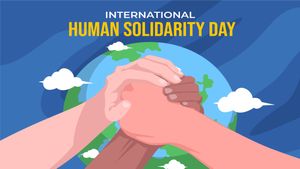 International Human Solidarity Day 2025: History, Significance, and Why It Matters
 -
 Purported Video of Muslim Mob Lynching & Hanging Hindu Youth In Bangladesh Shocks Internet
 -
 A Hotel on Wheels: Bihar Rolls Out Its First Luxury Caravan Buses
 -
 Bharti Singh-Haarsh Limbachiyaa Welcome Second Child, Gender: Couple Welcome Their Second Baby, Duo Overjoyed - Report | Bharti Singh Gives Birth To Second Baby Boy | Gender Of Bharti Singh Haarsh Limbachiyaa Second Baby
 -
 Bharti Singh Welcomes Second Son: Joyous News for the Comedian and Her Family
 -
 Gold & Silver Rates Today in India: 22K, 24K, 18K & MCX Prices Fall After Continuous Rally; Check Latest Gold Rates in Chennai, Mumbai, Bangalore, Hyderabad, Ahmedabad & Other Cities on 19 December


7 Things You Should Know About The Coronavirus Outbreak

Severe acute respiratory syndrome coronavirus 2 (SARS-CoV-2) is the name of the virus that is responsible for causing coronavirus disease (COVID-19) that has affected 1,359,398 people and caused 75, 945 deaths worldwide as of 7 April 2020.
Coronaviruses are enveloped positive sense RNA viruses that range from 60 nm to 140 nm in diameter. It has spike-like projections on its surface, which gives it a crown-like appearance under the electron microscope, which is the reason it's named coronavirus.

Since the outbreak in late December 2019, there are many things being said about the virus that most people are unaware of. We decode those things here.

1. COVID-19 has been declared pandemic
On 11 March, the World Health Organization (WHO) labelled the novel coronavirus a pandemic disease, which indicated that the virus was now a worldwide phenomenon. This means that coronavirus disease can spread and affect a large number of people due to its fast contagious nature.

2. Research around coronavirus is still progressing
Coronaviruses
cause
respiratory
tract
illnesses
that
cause
mild
to
severe
symptoms
that
can
affect
people
of
all
age
groups,
severely
in
older
people
and
people
with
underlying
health
conditions
such
as
cancer,
heart
disease,
lung
disease,
kidney
disease
and
diabetes.
Numerous
studies
have
shown
that
the
virus
transmits
from
person
to
person
through
coughing
or
sneezing
and
it
can
also
transmit
through
bodily
fluids
such
as
saliva,
blood
and
stool
as
well
[1],
[2].
People showing symptoms such as fever, cough, fatigue and sore throat, among others were asked to isolate themselves and get their tests done for COVID-19. Soon, study reports emerged that coronavirus infection could be transmitted from asymptomatic people and pre-symptomatic people [3], [4].
Soon, scientists detected that the novel coronavirus can stay for up to three hours in aerosols, up to four hours on copper, up to two to three days on plastic and stainless steel and up to 24 hours on cardboard [5].
As days are passing, more information is becoming available. Much recently, Australian scientists revealed that anti-parasitic drug ivermectin has the potent ability to fight coronavirus, however, further clinical trials are needed for it to be used as a medicine in people.

3. A coronavirus vaccine funded by Bill Gates will begin testing in people
A Pennsylvania biotech firm called Inovio Pharmaceuticals is planning to start injecting healthy volunteers with a potential coronavirus vaccine which was developed by them. Their effort received funding from the Bill and Melinda Gates Foundation and the Coalition for Epidemic Preparedness Innovations.
The US Food and Drug Administration has accepted the company's DNA vaccine candidate INO-4800 that has been designed to prevent COVID-19, paving the way for human trials in the US beginning this week.

4. Experts are taking necessary steps to address COVID-19
The
Centers
for
Disease
Control
and
Prevention
(CDC)
and
the
World
Health
Organization
(WHO)
have
issued
guidelines
for
taking
preventive
steps
to
reduce
COVID-19
infection.
As
community
transmission
has
already
started
in
most
of
the
countries,
the
health-care
experts
are
taking
necessary
steps
to
prevent
the
virus
from
spreading
uncontrollably.
COVID-19
care
centres
have
been
set
up
for
treating
mild
or
very
mild
cases
or
even
suspected
cases
of
COVID-19.
These
care
centres
include
hotels,
hostels,
schools,
lodges,
stadiums,
etc;
it
can
be
both
public
and
private.

5. Countries are doing their best to protect citizens
Countries across the globe are detecting, isolating, testing, treating, and tracing their citizens to prevent containment throughout communities. Towns and cities have been locked down and large gatherings have been banned, major sporting events and carnivals have been postponed or cancelled to stop the spread of the virus.

6. If you are sick, what should you do
If you have been experiencing symptoms such as fever, cough and difficulty in breathing which usually appear between 2 to 14 days after exposure to the virus. You should call your healthcare provider immediately for faster treatment.

7. Steps to protect yourself
WHO emphasises on the fact that if you haven't travelled to any COVID-19 infected countries or have not been in contact with an infected coronavirus patient, your risk of getting infected is low.
Nevertheless, it is essential to keep yourself and others protected. Everybody should wash their hands with soap and water at least for 20 seconds, maintain six feet distance from anyone who is coughing or sneezing, avoid touching your eyes, nose and mouth after touching any surface, clean and disinfect touched surfaces regularly, and avoid close contact with people.


 Continue with Google