




 Click it and Unblock the Notifications


Latest Updates
-
 SIR Draft Electoral Rolls Out In West Bengal, Gujarat, Tamil Nadu: How Voters Can Check SIR Form Submission Status Online?
 -
 Gold Rate In India Crash By Rs 12,000 From Record: Will 24K, 22K, 18K Gold Prices Rise Or Fall In Christmas Week? Gold & Silver Prediction Here
 -
 20th or 21st December? When Is the Winter Solstice In 2025 And How Is It Different From Meteorological Winter
 -
 ‘Clean Air Is a Right, Not a Luxury’: ZONAIR3D Unveils India Expansion Plans
 -
 World Meditation Day 2025: Meditation Beyond The Mat, Simple Moments That Bring Inner Peace
 -
 Sreenivasan Passes Away: Malayalam Cinema Mourns The Legendary Actor-Writer's Demise
 -
 Malayalam Film Industry Loses A Defining Voice: Actor, Screenwriter And Director Sreenivasan Passes Away At 69
 -
 Happy Birthday Dheeraj Dhoopar: How A TV Set Friendship Turned Into Love With Wife Vinny Arora
 -
 Top Skin and Hair Concerns in India in 2025: What the Data Reveals
 -
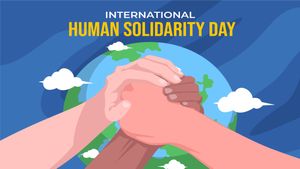 International Human Solidarity Day 2025: History, Significance, and Why It Matters


Blood Clots: Know The Signs And Symptoms

Generally, a cut inside your blood vessels leads to the gathering of platelets, which subsequently discharge a chemical signal so that the strong protein called fibrin comes and forms a clot. The three primary types of blood clots are venous thrombosis, arterial thrombi and blood clots in the heart. [1]
Venous
thrombosis
occurs
when
stagnant
blood
gathers,
generally
in
the
legs,
and
forms
clots.
Arterial
thrombi
occurs
when
plaque
in
the
blood
vessels
narrow
the
passageway
so
that
blood
gathers
at
the
constricted
place.
Cardiac
thrombi
occurs
when
the
heart
muscle
does
not
pump
in
the
right
cycle,
enabling
blood
to
become
stagnant.

Blood clots can cause many conditions, probably the most typical being deep vein thrombosis, or DVT. DVT occurs when blood collects in the legs. Hereditary factors, heart problems, pregnancy and specific illnesses like polycythemia vera and Buerger's disease and also some drugs like oral contraceptives have been shown to raise the possible danger of blood clots. [2]

When the blood clots in the veins, the blood does not return to the heart and a number of symptoms like redness, swelling, warmth and pain occur in the legs or the arms. In most cases, the swelling occurs in one of the arms or legs and it becomes red, warm and swollen and causes pain over a period of time. [3]

Sometimes it becomes difficult to decide whether it is deep vein thrombosis or infection. If the clot is located in the iliac vein in the pelvis or in the femoral vein in the upper leg, it is known as phlegmasia cerulia dolens. If the blood clot is located in the arm and it affects the subclavian vein in the chest, a similar condition is noticed.
Also Read: Beware Of Abnormal Blood Clots!
When the blood clots in the arteries in the heart, the signs and symptoms include chest pain or pressure, sweating, nausea, shortness of breath, pain in the arm, jaw or back and indigestion. [4]

When the blood clots in the brain, there is a loss of vision, loss of speech, weakness on one side of the body, weakness in the arm and difficulties in speech. Blood clots in the intestine cause blood in the stool, vomiting and pain.
Disclaimer: The information provided in this article is for general informational and educational purposes only and is not intended as a substitute for professional medical advice, diagnosis, or treatment. Always seek the advice of your physician or a qualified healthcare provider with any questions you may have regarding a medical condition.
- [1] InformedHealth.org [Internet]. Cologne, Germany: Institute for Quality and Efficiency in Health Care (IQWiG); 2006-. What are blood clots and what causes them? 2013 Nov 5 [Updated 2016 Dec 27].
- [2] Prandoni, P. (2009). Venous and arterial thrombosis: two aspects of the same disease?. Clinical epidemiology, 1, 1.
- [3] InformedHealth.org [Internet]. Cologne, Germany: Institute for Quality and Efficiency in Health Care (IQWiG); 2006-. Deep vein thrombosis (DVT): Overview. 2017 Mar 23.
- [4] InformedHealth.org [Internet]. Cologne, Germany: Institute for Quality and Efficiency in Health Care (IQWiG); 2006-. What are blood clots and what causes them? 2013 Nov 5 [Updated 2016 Dec 27].


 Continue with Google