




 Click it and Unblock the Notifications


Latest Updates
-
 David Guetta Returns to Mumbai After 8 Years, Lights Up Sunburn Festival 2025
 -
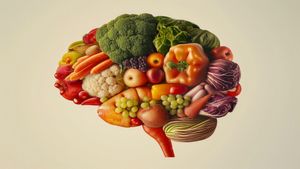 How Homeopathic Remedies May Support Gut and Brain Health, Expert Explains
 -
 Why Viral Fevers Are Lasting Longer This Year: Expert Explains The Immunity Shift Post-COVID
 -
 Rekha’s Timeless Wedding Season Style: 5 Things to Pick From Her Latest Look
 -
 Gold Rate Today in India Flat, Silver Prices Jump to New High of Rs 2.14 Lakh: Check Latest Prices in Chennai, Bangalore, Hyderabad, Mumbai, Pune, Ahmedabad & Delhi
 -
 Happy Birthday Tamannaah Bhatia: What The 'Baahubali' Star's ‘Milky Beauty’ Skincare Looks Like Off Screen
 -
 Govinda Birthday Special: Chi-Chi’s Bold And Unapologetic 90s Fashion Broke Every Style Rule
 -
 Daily Horoscope, Dec 21, 2025: Libra to Pisces; Astrological Prediction for all Zodiac Signs
 -
 Yash Birla Shows How Statement Dressing Can Redefine Individual Style In Indian Fashion
 -
 World Saree Day 2025: From Fusion To Heritage, The Saree Trends That Ruled The Year


Stopping Exercises In Winter Increases Cholesterol Storage: Doctors
There are several risk factors for cholesterol. Few of them are explained in this article.

Stopping physical exercise during the winter season increases the storage of cholesterol in the body, medical experts.
According to them, another reason that contributes to the cholesterol storage during winters is the lack of vitamin D synthesis from sunlight.
"A decrease in sunlight pushes the body to store more cholesterol than usual as a protective measure. The seasonal variation in cholesterol levels could lead to more progression of fatty liver disease in the winter. Physical activities decrease during winters, and skipping exercise routine may be a contributor to the increase in cholesterol readings," said the Head of Liver Transplant and Gastrosciences at Saroj Super Specialty Hospital.

Contending that physical exercise is the best way to keep obesity and diabetes away, which in turn helps to keep the liver damage-free.The association between high cholesterol and fatty liver disease becomes more apparent with the arrival of the winter months.
Cholesterol levels are highest during the winter months and lowest during the summer months. The reasoning behind the seasonal variability in blood cholesterol levels is unclear, especially because there is no significant difference in dietary intake.
Several medical statistics showed that 80 per cent of people who are obese or diabetic are more prone to liver diseases during winter and remaining 20 per cent suffer from non-alcoholic fatty liver (NAFL).
Sanjay Singh Negi, Director of HPB Surgery and Liver Transplant at BLK Super Specialty Hospital, said: "Liver is in charge of removing toxins from the body. Binge drinkers should abstain from alcohol in winters. Have lots of garlic which helps liver mobilise enzymes that remove toxins from the body."

"It also has a high amount of natural compounds like selenium and allicin, which clean the liver. Catechins, an antioxidant found in green tea have properties of flushing out toxins and improve liver functioning. Lettuce, spinach and beetroot nullify the effect of chemicals and are the best way to detoxify the liver," said Negi.
Cholesterol is a wax-like substance in the blood, which is critical for digesting dietary fats, building cell walls and manufacturing vitamins and hormones. Cholesterol is transported throughout the bloodstream through lipoproteins, to be used or excreted by the body.

"Excess of cholesterol presence becomes harmful for the body and causes health problems. With its abundance, the blood vessels becomes clogged easily and the blood circulation is restricted to various organs of body including heart, kidney, brain and limbs. This excess cholesterol also gets accumulated as fat in the liver and causes fatty liver and its associated diseases," said Negi.
According to the doctors, when such cholesterol is accumulated in the liver, it drains out the levels of glutathione, a powerful antioxidant which protects the liver from inflammatory factors responsible for damaging it.
With Inputs From IANS
Disclaimer: The information provided in this article is for general informational and educational purposes only and is not intended as a substitute for professional medical advice, diagnosis, or treatment. Always seek the advice of your physician or a qualified healthcare provider with any questions you may have regarding a medical condition.


 Continue with Google