




 Click it and Unblock the Notifications


Latest Updates
-
 Gold Rate In India Crash By Rs 12,000 From Record: Will 24K, 22K, 18K Gold Prices Rise Or Fall In Christmas Week? Gold & Silver Prediction Here
 -
 20th or 21st December? When Is the Winter Solstice In 2025 And How Is It Different From Meteorological Winter
 -
 ‘Clean Air Is a Right, Not a Luxury’: ZONAIR3D Unveils India Expansion Plans
 -
 World Meditation Day 2025: Meditation Beyond The Mat, Simple Moments That Bring Inner Peace
 -
 Sreenivasan Passes Away: Malayalam Cinema Mourns The Legendary Actor-Writer's Demise
 -
 Malayalam Film Industry Loses A Defining Voice: Actor, Screenwriter And Director Sreenivasan Passes Away At 69
 -
 Happy Birthday Dheeraj Dhoopar: How A TV Set Friendship Turned Into Love With Wife Vinny Arora
 -
 Top Skin and Hair Concerns in India in 2025: What the Data Reveals
 -
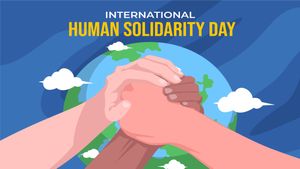 International Human Solidarity Day 2025: History, Significance, and Why It Matters
 -
 Purported Video of Muslim Mob Lynching & Hanging Hindu Youth In Bangladesh Shocks Internet


Is Your Pregnancy Diet Safe For Your Child?


According to a study by reseachers in the Auckland University pregnancy diet is directly related to childhood obesity. The study has proved that diet of the mother brings about a change in the baby's DNA through a process called epigenetic change. A faulty diet of the mother can results in high degree of epigenetic change which brings about changes in the metabolism rate of the baby that 'lays down more fat'. According to Professor Gluckman, such children end up to be three kilos more weight than their peers. This extra weight is childhood obesity which brings about other health disorders as well like diabetes, heart diseases etc.
To prove the relation between pregnancy diet and childhood obesity, the researchers tested umbilical cord tissues of 300 children and then examined their weight at the age of six or nine. The relation between the two was strong and the result was a direct replication of the effect on the baby's DNA due to mothers diet. The researchers have further explained that the relation and the result between pregnancy diet and childhood obesity is created in the first three months of pregnancy. A lot also depends on the diet habit of bothe mother and the father.
The major cause of the genetic chnages in the baby is caused due to low card diet during the first three moths of pregnancy. The embroy when fed a low carb diet assumes that the baby will be born in a low carbohydrate environment and thus the metabolism is altered and instructed to tore more fat. This effect on child birth and within six years of time results in childhood obesity.
Disclaimer: The information provided in this article is for general informational and educational purposes only and is not intended as a substitute for professional medical advice, diagnosis, or treatment. Always seek the advice of your physician or a qualified healthcare provider with any questions you may have regarding a medical condition.


 Continue with Google