




 Click it and Unblock the Notifications


Latest Updates
-
 Bladder on Hold: Expert Explains The Indian Habit That’s Hurting Urinary Health
 -
 National Mathematics Day 2025: How India Marks Ramanujan’s Birth Anniversary, Know The Story Of 1729
 -
 Daily Horoscope, Dec 22, 2025: Libra to Pisces; Astrological Prediction for all Zodiac Signs
 -
 Mahayuti Sweeps Maharashtra Local Body Polls, BJP Emerges Largest Party
 -
 The World’s First Harry Potter-Themed Hotel Is All Set to Open In Europe
 -
 Dhurandhar 16 Days Collection | Dhurandhar Beats Jawan, Stree 2 | Dhurandhar 500cr | Dhurandhar Day 16 Collection | Dhurandhar Box Office Collection Day 17 Prediction (December 21, 2025) | Dhurandhar Third Weekend Collection Prediction | Dhurandhar Today Collection
 -
 How to Dress Well This Holiday Season Without Overthinking It
 -
 From Guava To Kiwi: Fruits to Have in Winters to Boost Your Immunity
 -
 David Guetta Returns to Mumbai After 8 Years, Lights Up Sunburn Festival 2025
 -
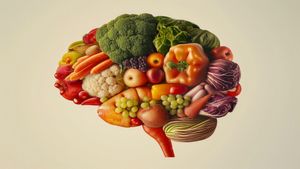 How Homeopathic Remedies May Support Gut and Brain Health, Expert Explains


Why Body Is Less Thirsty At Night?


Our brain cells collude and keep us hydrated when we sleep, which prevents or frequent urination. This is the reason why our body is less thirsty at night, says the scientists.
The body's internal clock helps regulating a hormone which can store water in the body, during the night. This help us to control the water regulation, during sleep.
The body regulates its water content mainly by balancing water intake through thirst and water loss through urine production. The low water levels excite a group of cells called osmosensory neurons, which direct another set of neurons to release a hormone called Vasopressin. Vasopressin instructs the body to store water, into the bloodstream.
Vasopressin levels increase during sleep and it will result in more water retention and less urine production during sleep.
The studies are conducted by the Neurophysiologists from the McGill University Health Centre in Montreal, Canada.
Disclaimer: The information provided in this article is for general informational and educational purposes only and is not intended as a substitute for professional medical advice, diagnosis, or treatment. Always seek the advice of your physician or a qualified healthcare provider with any questions you may have regarding a medical condition.


 Continue with Google