




 Click it and Unblock the Notifications


Latest Updates
-
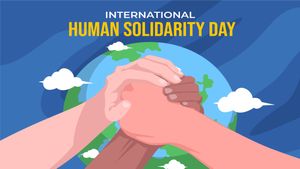 International Human Solidarity Day 2025: History, Significance, and Why It Matters
 -
 Purported Video of Muslim Mob Lynching & Hanging Hindu Youth In Bangladesh Shocks Internet
 -
 A Hotel on Wheels: Bihar Rolls Out Its First Luxury Caravan Buses
 -
 Bharti Singh-Haarsh Limbachiyaa Welcome Second Child, Gender: Couple Welcome Their Second Baby, Duo Overjoyed - Report | Bharti Singh Gives Birth To Second Baby Boy | Gender Of Bharti Singh Haarsh Limbachiyaa Second Baby
 -
 Bharti Singh Welcomes Second Son: Joyous News for the Comedian and Her Family
 -
 Gold & Silver Rates Today in India: 22K, 24K, 18K & MCX Prices Fall After Continuous Rally; Check Latest Gold Rates in Chennai, Mumbai, Bangalore, Hyderabad, Ahmedabad & Other Cities on 19 December
 -
 Nick Jonas Dancing to Dhurandhar’s “Shararat” Song Goes Viral
 -
 From Consciousness To Cosmos: Understanding Reality Through The Vedic Lens
 -
 The Sunscreen Confusion: Expert Explains How to Choose What Actually Works in Indian Weather
 -
 On Goa Liberation Day 2025, A Look At How Freedom Shaped Goa Into A Celebrity-Favourite Retreat


Independence Day 2024: From Charkha To Freedom, Exploring Role Of Khadi In India's Independence

The hand-spun and hand-woven fabric known as khadi represents more than simply India's independence movement. The khadi garment, in particular, is a symbol of the Indian people's tenacity, independence, and solidarity in their struggle against British colonial oppression. Mahatma Gandhi championed this fabric, which later formed the basis of the Swadeshi movement and was essential to India's liberation.
Read on to learn more about the quintessential Indian fabric that's rooted in history and revolution:

The Birth Of Khadi
Beginning with the Swadeshi movement, which played a major role in the larger Indian independence movement, the tale of khadi begins. Indians were urged by the movement to support Indian-made items and boycott British goods to gain economic independence.
Mahatma Gandhi, a well-known figure in the struggle for independence, believed that khadi might help people become independent and financially self-sufficient. He felt that Indians could escape the economic restraints imposed by the British textile industries by spinning and wearing khadi.
Gandhi's Vision For Adopting Swadeshi
Khaddar or Khadi is an Indian fabric that is handwoven and spun and has great cultural and historical significance. The Sanskrit word "khaddar," which means coarse fabric, is where the name "khadi" first appeared. This fabric is produced by hand, from spinning the yarn to weaving the fabric, using natural fibers like cotton, silk, or wool.
Gandhi adopted the "charkha," or spinning wheel, in a symbolic gesture. It stood for a return to independence and simplicity. Gandhi encouraged Indians to weave and spin their own cloth, incorporating khadi into everyday life.
"Khadi is the sun of the village solar system," he famously remarked. The different industries that can help Khadi in one way or another are the planets." Spinning khadi was more than just making cloth; it was a move toward self-sufficiency and a nonviolent protest of British economic policy.
Khadi - A Unifying Force
Khadi broke beyond social, economic, and religious boundaries. Everyone wore it, even the most affluent villages and the most skilled liberation warriors. This inclusiveness was a potent protest against the polarizing practices of the British Raj. Indians from all backgrounds showed their unity and dedication to the cause of independence by donning khadi. The fabric turned into a unifying factor that helped the country stand united in its struggle for independence.

Economic Impact And Employment Generation
There were major financial impacts to the Khadi promotion. Millions of rural Indians who would have otherwise been dependent on agriculture and faced seasonal unemployment were given jobs by it. The self-sufficient village economy derived from the spinning and weaving of khadi lessened the dependency on industrialized items imported from Britain.
This grassroots economic strategy was a clear challenge to British economic hegemony and a move in the direction of creating an independent India.
The Decline And Comeback Of Khadi
Khadi's political significance lessened a little after India attained independence in 1947. Mass-produced textiles gained popularity as the newly independent India started to industrialize. Still, the fabric never really vanished. A rising respect for ethical and ecological fashion has led to a spike in interest in khadi in recent years. Khadi is being used by contemporary designers to create fashionable clothing that keeps its historical relevance while adding a modern and attractive touch.


 Continue with Google