




 Click it and Unblock the Notifications


Latest Updates
-
 Happy Birthday Tamannaah Bhatia: What The 'Baahubali' Star's ‘Milky Beauty’ Skincare Looks Like Off Screen
 -
 Govinda Birthday Special: Chi-Chi’s Bold And Unapologetic 90s Fashion Broke Every Style Rule
 -
 Daily Horoscope, Dec 21, 2025: Libra to Pisces; Astrological Prediction for all Zodiac Signs
 -
 Yash Birla Shows How Statement Dressing Can Redefine Individual Style In Indian Fashion
 -
 World Saree Day 2025: From Fusion To Heritage, The Saree Trends That Ruled The Year
 -
 SIR Draft Electoral Rolls Out In West Bengal, Gujarat, Tamil Nadu: How Voters Can Check SIR Form Submission Status Online?
 -
 Gold Rate In India Crash By Rs 12,000 From Record: Will 24K, 22K, 18K Gold Prices Rise Or Fall In Christmas Week? Gold & Silver Prediction Here
 -
 20th or 21st December? When Is the Winter Solstice In 2025 And How Is It Different From Meteorological Winter
 -
 ‘Clean Air Is a Right, Not a Luxury’: ZONAIR3D Unveils India Expansion Plans
 -
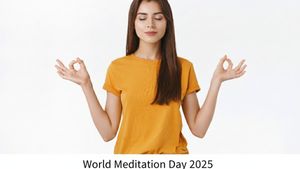 World Meditation Day 2025: Meditation Beyond The Mat, Simple Moments That Bring Inner Peace


International Mud Day 2024: Are Mud Baths Good For Your Skin? Check Out The Benefits And Drawbacks

International Mud Day, celebrated annually on 29 June, is a day dedicated to the joys and benefits of playing in the mud. Originating from the efforts to connect children to nature and encourage outdoor play, this day has grown to encompass a broader appreciation for mud in various forms, including its therapeutic uses.
Among these, mud baths have gained popularity for their purported skin benefits. But are mud baths really good for your skin? Let us know the history of mud baths, the types of mud used, their benefits, and any potential drawbacks.

Origin Of Mud Baths
Mud baths have been used for centuries across different cultures for their healing and restorative properties. Ancient Egyptians, Greeks, and Romans utilized mud for its believed therapeutic benefits.
Cleopatra, renowned for her beauty, was said to have used Dead Sea mud in her skincare regimen. In the 19th century, European spas began to popularize mud baths, promoting them as treatments for a variety of ailments, from arthritis to skin conditions.
What Are The Types Of Mud Used In Mud Baths?
Different types of mud are used in mud baths, each with unique properties beneficial to the skin.
1. Dead Sea Mud: Sourced from the mineral-rich Dead Sea, this mud is renowned for its high content of magnesium, sodium, and potassium. It is commonly used for its detoxifying and moisturizing properties.
2. Volcanic Ash Mud: Found in areas with volcanic activity, this mud is rich in minerals and has a fine texture, making it excellent for exfoliation and skin purification.
3. Bentonite Clay: Derived from volcanic ash, bentonite clay is highly absorbent and is often used to draw out impurities and excess oils from the skin.
4. Fuller's Earth: Known for its oil-absorbing properties, Fuller's Earth is effective in treating acne and oily skin.
Benefits Of Mud Baths For The Skin
1.
Detoxification
Mud
baths
are
believed
to
draw
out
toxins
from
the
skin.
The
high
mineral
content
of
the
mud,
especially
from
sources
like
the
Dead
Sea,
can
help
to
purify
the
skin
by
absorbing
impurities
and
excess
oils.
This
detoxifying
effect
can
leave
the
skin
feeling
cleaner
and
more
refreshed.
2.
Exfoliation
The
fine
particles
in
mud
act
as
natural
exfoliants,
helping
to
slough
off
dead
skin
cells
and
promote
cell
turnover.
This
can
result
in
smoother,
more
radiant
skin.
Regular
exfoliation
with
mud
baths
can
also
help
to
prevent
clogged
pores
and
reduce
the
occurrence
of
acne.
3.
Moisturization
Many
types
of
mud,
particularly
Dead
Sea
mud,
are
known
for
their
moisturizing
properties.
The
minerals
in
the
mud
can
help
to
hydrate
the
skin,
improving
its
elasticity
and
reducing
the
appearance
of
fine
lines
and
wrinkles.
This
makes
mud
baths
beneficial
for
those
with
dry
or
aging
skin.
4.
Anti-inflammatory
Properties
Mud
baths
can
have
anti-inflammatory
effects,
making
them
useful
for
soothing
irritated
or
inflamed
skin.
The
minerals
and
nutrients
in
the
mud
can
help
to
calm
redness
and
reduce
swelling,
providing
relief
for
conditions
like
eczema
and
psoriasis.
5.
Improved
Circulation
The
warmth
of
the
mud,
combined
with
the
minerals
it
contains,
can
help
to
improve
blood
circulation
when
applied
to
the
skin.
Enhanced
circulation
can
promote
the
delivery
of
oxygen
and
nutrients
to
skin
cells,
aiding
in
skin
repair
and
regeneration.
6.
Relaxation
and
Stress
Relief
The
experience
of
a
mud
bath
is
not
only
beneficial
for
the
skin
but
also
for
overall
well-being.
Immersing
in
warm
mud
can
help
to
relax
muscles,
alleviate
stress,
and
promote
a
sense
of
calm.
The
holistic
benefits
of
mud
baths
contribute
to
a
healthier
mind
and
body,
which
in
turn
can
positively
affect
skin
health.
Potential Drawbacks Of Mud Baths
While mud baths offer numerous benefits, there are some potential drawbacks to consider.
1.
Allergic
Reactions
Some
individuals
may
have
allergic
reactions
to
certain
minerals
or
components
in
the
mud.
It
is
important
to
test
a
small
patch
of
skin
before
fully
immersing
in
a
mud
bath
to
ensure
there
is
no
adverse
reaction.
2.
Skin
Irritation
For
those
with
extremely
sensitive
skin,
the
exfoliating
properties
of
mud
can
sometimes
cause
irritation.
It
is
advisable
to
choose
a
type
of
mud
that
is
gentle
and
suitable
for
sensitive
skin
types.
3.
Hygiene
Concerns
If
mud
baths
are
not
properly
maintained,
they
can
become
breeding
grounds
for
bacteria.
It
is
essential
to
use
clean,
high-quality
mud
and
ensure
that
the
bath
facilities
are
hygienic
to
prevent
skin
infections.
4.
Temporary
Dryness
While
many
types
of
mud
are
moisturizing,
some,
like
bentonite
clay,
can
be
very
absorbent
and
may
temporarily
dry
out
the
skin.
Following
up
with
a
good
moisturizer
after
a
mud
bath
can
help
to
counteract
any
dryness.
How You Can Enjoy A Mud Bath Safely
To maximize the benefits of a mud bath and minimize potential risks, follow these tips:
1.
Choose
High-Quality
Mud
Ensure
that
the
mud
used
is
from
a
reputable
source
and
is
free
from
contaminants.
2.
Test
for
Allergies
Apply
a
small
amount
of
mud
to
a
patch
of
skin
and
wait
24
hours
to
check
for
any
allergic
reactions.
3.
Maintain
Hygiene
If
visiting
a
spa,
choose
one
that
maintains
high
hygiene
standards.
If
using
mud
at
home,
ensure
it
is
stored
properly
and
the
bath
area
is
clean.
4.
Hydrate
and
Moisturize
Drink
plenty
of
water
before
and
after
your
mud
bath,
and
apply
a
good
moisturizer
to
your
skin
afterward
to
maintain
hydration.
5.
Limit
Duration
Avoid
staying
in
a
mud
bath
for
too
long.
A
typical
session
should
last
between
15
to
30
minutes.
Whether you choose to indulge in a luxurious spa treatment or create your own mud bath at home, the key is to enjoy the experience and embrace the natural benefits that mud has to offer.


 Continue with Google